
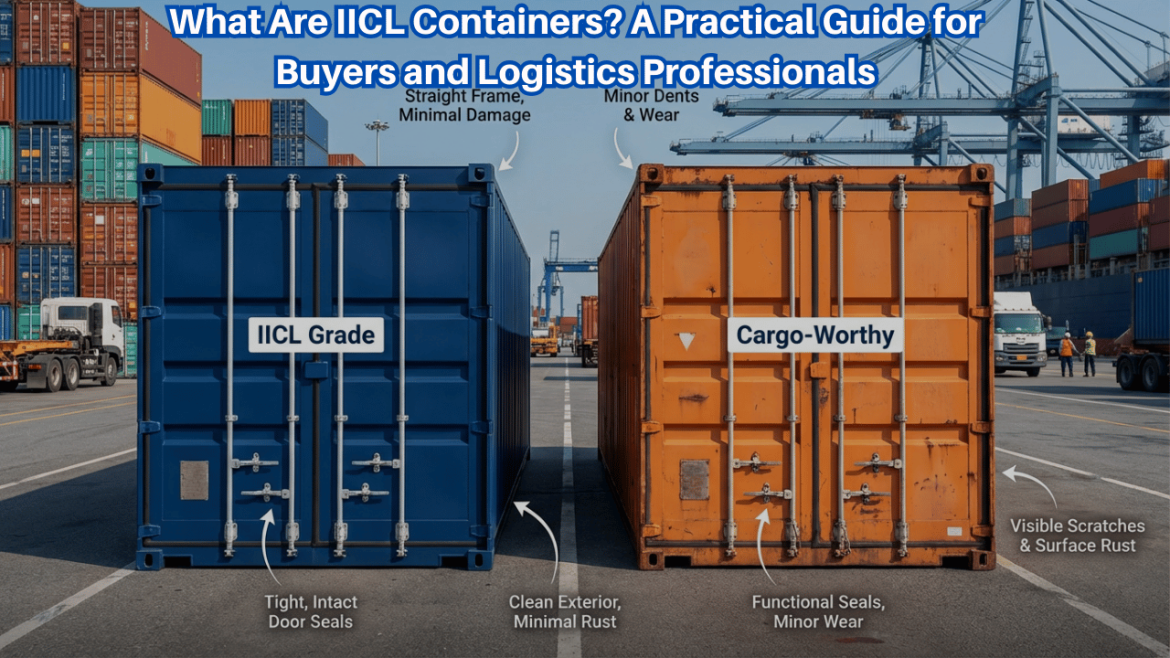
If you’ve ever searched for high-quality shipping containers, you’ve probably come across the term IICL containers. But what exactly does that mean, and why does it matter when buying or leasing a container?
In simple terms, IICL containers are shipping containers that meet the strict inspection and repair standards set by the Institute of International Container Lessors (IICL). These standards are considered some of the highest in the container leasing industry. Understanding what this really means in practical terms can help you make a smarter purchasing or leasing decision.
What Does “IICL” Mean in the Container Industry?
The Institute of International Container Lessors is an organization that establishes detailed guidelines for container inspection, maintenance, and repair. Major leasing companies and shipping lines follow these guidelines closely, which is why the term “IICL grade” carries weight in the logistics world.
When a container is described as IICL grade, it means it has passed a rigorous inspection process and meets strict structural and cosmetic criteria. Any repairs that were necessary have been completed according to IICL repair standards, ensuring the container remains suitable for international shipping use. In practical terms, this translates into fewer dents, minimal rust, properly functioning door seals, and a structurally sound frame.
It is important not to confuse IICL grade with the more common “cargo-worthy” classification. While both indicate that a container is fit for transport, IICL standards are generally stricter. A cargo-worthy container may be approved for shipping, but it does not necessarily meet the same cosmetic and structural thresholds required under IICL guidelines.
Why IICL Containers Are Considered Premium Quality

One of the main reasons IICL containers are viewed as premium units is the depth and precision of their inspection standards. Dents must remain within clearly defined limits, floor damage is tightly controlled, and surface rust is kept to an absolute minimum. Structural components such as corner posts, rails, and door frames must remain very close to their original condition.
These stricter requirements make IICL containers especially attractive to leasing companies and exporters who cannot afford complications or delays caused by failed port inspections. When time-sensitive or high-value cargo is involved, the reliability of the container becomes critical.
For international shipping in particular, using an IICL-grade container can significantly reduce the risk of rejection at terminals. Shipping lines often favor containers that align with recognized international standards. This becomes even more important when transporting goods such as electronics or temperature-sensitive products. A compromised door seal, for instance, can allow moisture to enter and cause serious damage. An IICL container lowers that risk by ensuring the structure and seals are in optimal condition.
Another factor to consider is resale value. Because these containers start in better condition, they tend to retain their value more effectively over time. If you plan to resell the unit after several years of use, beginning with a higher-grade container can be a sound long-term investment. On the other hand, if the container will remain stationary on private property for basic storage, paying the premium for IICL grade may not always be necessary.
How to Choose the Right IICL Container for Your Needs
Choosing the right container ultimately depends on how you plan to use it. If the container will be used for international transport, investing in IICL grade is often justified. The higher inspection standards can help you avoid logistical issues and protect your cargo.
Appearance may also play a role in your decision. For retail conversions, hospitality projects, or installations where the container remains visible, fewer dents and rust patches can make a noticeable difference. In these cases, the cleaner look of an IICL container adds value beyond pure functionality.
It is also worth thinking about your long-term plans. If leasing, exporting, or eventual resale is part of your strategy, higher standards at the time of purchase can provide financial advantages later.
Before finalizing any deal, it is wise to request a recent inspection report and confirm the validity of the CSC plate. Detailed photos of the floors, door frames, and corner posts can also provide reassurance about the unit’s condition. Even among high-quality shipping containers, minor variations can exist, so documentation and verification remain essential steps in the process.
FAQs About IICL Containers
1. Are IICL containers new containers?
Not necessarily. Many are used containers that have been maintained and repaired according to strict standards. They may look close to new, but they are not automatically brand-new units.
2. Are IICL containers worth the higher price?
It depends on your use case. For international shipping, leasing, or high-value cargo, yes. For simple on-site storage, a cargo-worthy container may be sufficient and more cost-effective.