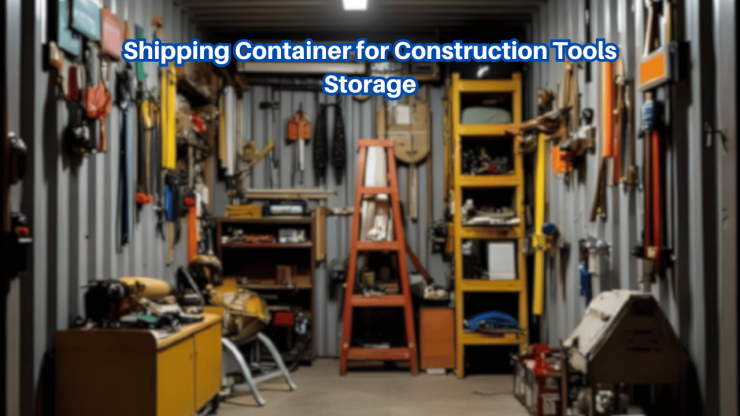
If you’ve ever worked on a construction site, you are aware of how fast tools may be lost or, worse, weather-damaged. A shipping container is a useful way to store construction supplies while keeping them accessible, safe, and well-organized. In essence, it’s a steel container that has been reused and can be tailored to your specific requirements, whether you’re storing tiny gear, power tools, or hand tools.
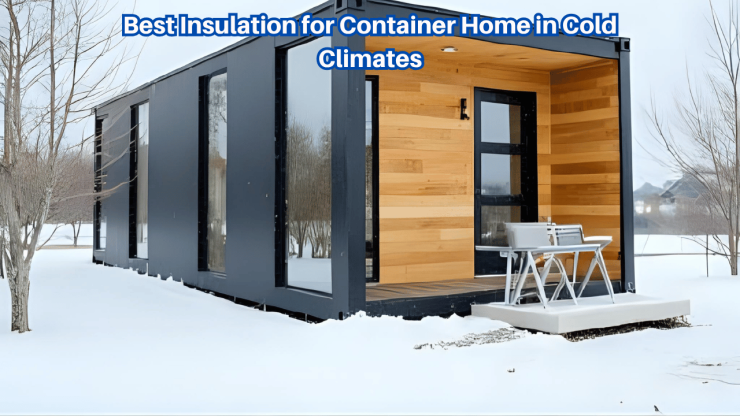
If you’re inclined to modern, minimalist design, building a container house is an interesting, affordable, and ecological way to live. However, steel walls may convert your comfortable haven into a freezer as the temperature drops. In frigid areas, selecting the right insulation for a container house is essential for long-term durability, comfort, and energy efficiency. This is all the information you want, supported by professional knowledge and useful guidance.
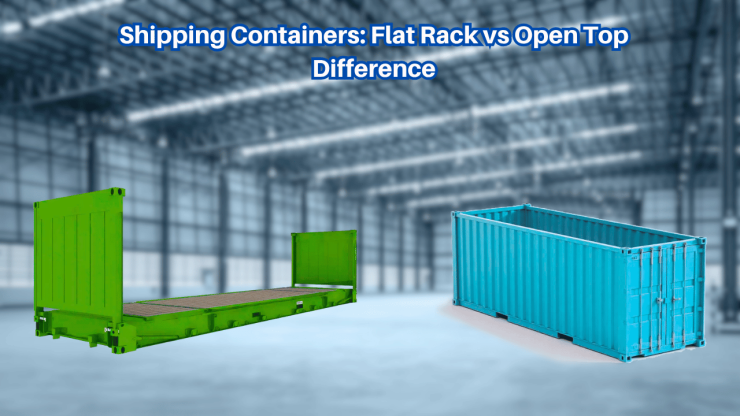
Flat rack and open top containers are two types of containers that sometimes lead to misunderstanding when it comes to specialized freight transit. Each has a distinct function, yet both are made for cargo that is too big or has an odd form. Logistics experts, exporters, and company owners may make the best choice for cost effectiveness, safety, and loading convenience by being aware of these distinctions.
The words TEU and FEU are commonly used while navigating the world of international shipping, learn why is important. For importers, exporters, and logistics experts looking to cut expenses and guarantee effective cargo movement, an understanding of these container types is essential.
Shipping containers have discovered a new use in recent years, going beyond their conventional functions of moving cargo around the world to include transforming interior design. These sturdy steel buildings provide a flexible, economical, and environmentally responsible option for contemporary living areas. We’ll look at three creative ways to use shipping containers in your house in this blog post: as eco-friendly garden spaces, chic guest cottages, and distinctive home offices.
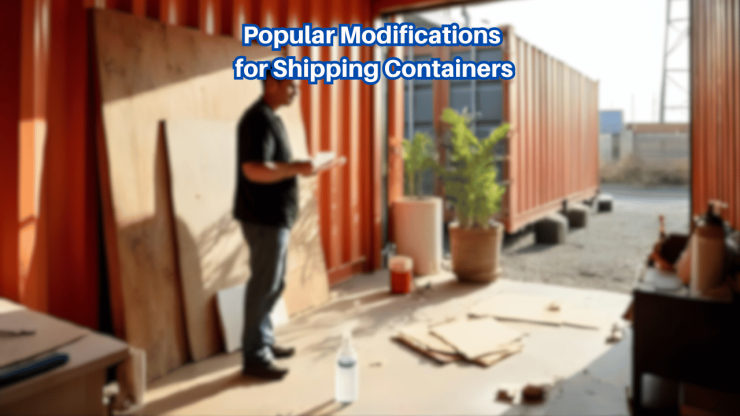
Once just used as the backbone of global trade, shipping containers are now a platform for innovative and useful adaptations that serve a variety of purposes and sectors. They are a popular option for creative and environmentally friendly solutions because of their sturdy steel construction, modular design, and reasonable price. Here, we look at three common shipping container changes that are changing traditional usage paradigms.
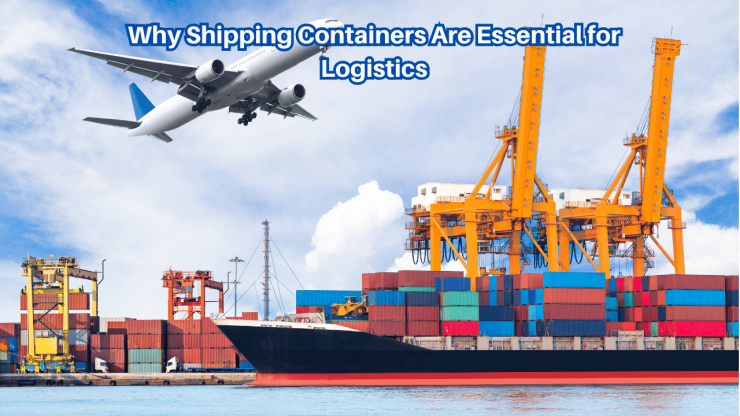
An essential part of international logistics and trade are shipping containers. These commonplace metal boxes have completely changed how commodities are delivered, providing a smooth and effective solution that underpins contemporary business. We will examine the three main factors—standardization, adaptability, and security—that make shipping containers essential to logistics in this blog article.
The need for efficient and sustainable farming methods is growing worldwide, and creative solutions are always being looked for. The use of shipping containers in agriculture is one such approach that is quickly gaining popularity. These sturdy, transportable buildings transform farming by providing a wide range of uses and advantages. This blog article examines the many uses, noteworthy advantages, and revolutionary possibilities of shipping containers in contemporary agriculture.
The foundation of contemporary international trade, shipping containers enable the smooth transportation of commodities across continents. Although their journey started not too long ago, these steel titans have completely changed the logistics industry. Let’s examine three significant periods in the history of shipping containers.
The demand for quick, dependable, and efficient emergency housing solutions has never been greater in the modern world, when natural catastrophes and humanitarian crises are occurring more frequently. Once mostly employed for shipping cargo across seas, shipping containers have become a game-changer for emergency housing and disaster aid. They are the perfect option for building temporary infrastructure and shelters in places ravaged by natural disasters because of their versatility, availability, and sturdy construction.
Shipping containers are the unsung heroes that make it easier for commodities to travel smoothly across continents in the busy world of international trade. At first sight, these robust steel boxes may appear commonplace, but the complex processes that go into their manufacture and distribution are anything but. Come along as we examine a shipping container supplier’s typical day and the crucial responsibilities they play in the global logistics ecosystem.